

RTA Completes 726 Bus Shelters for Public Bus Riders Across Key Areas of the Emirate
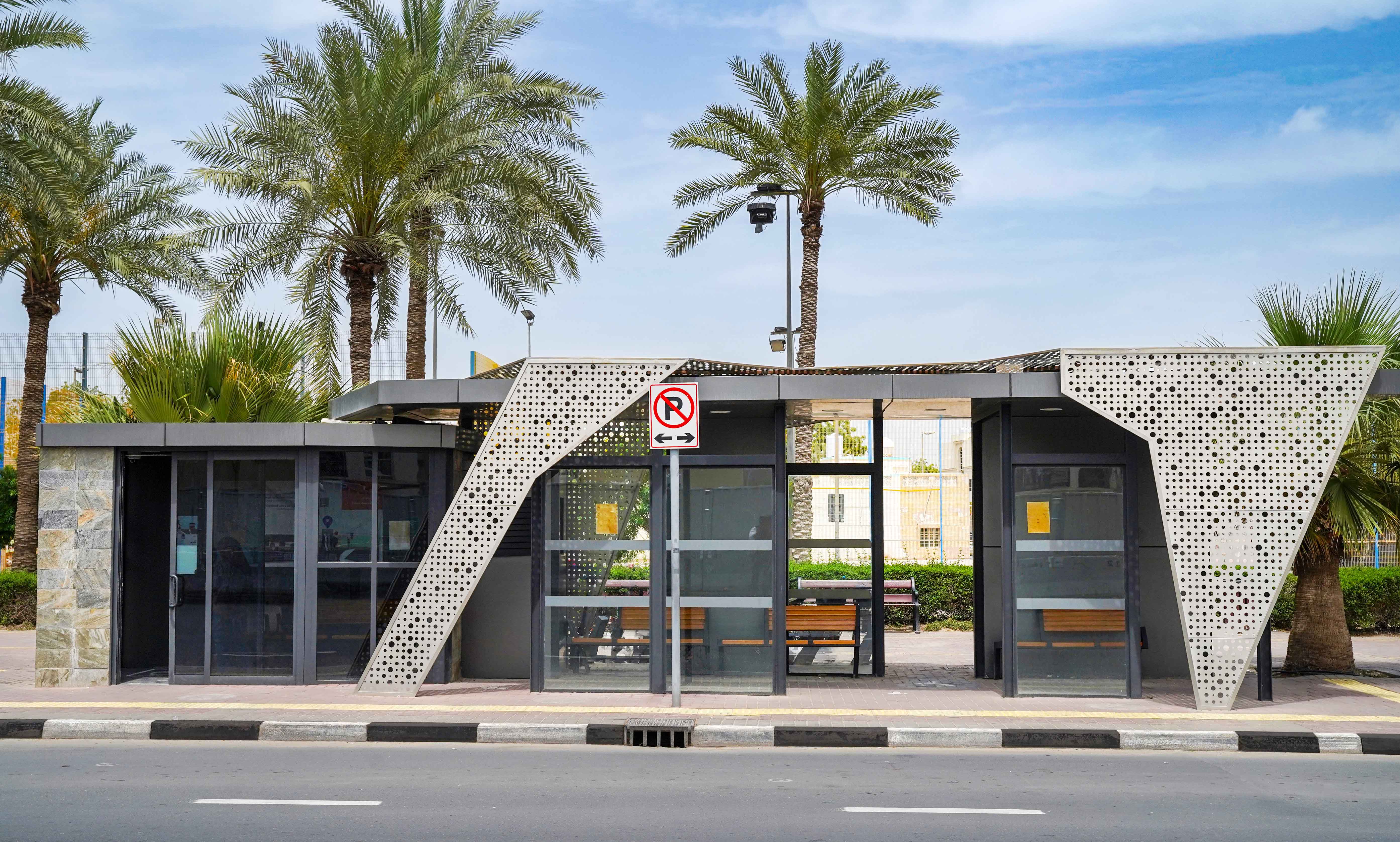
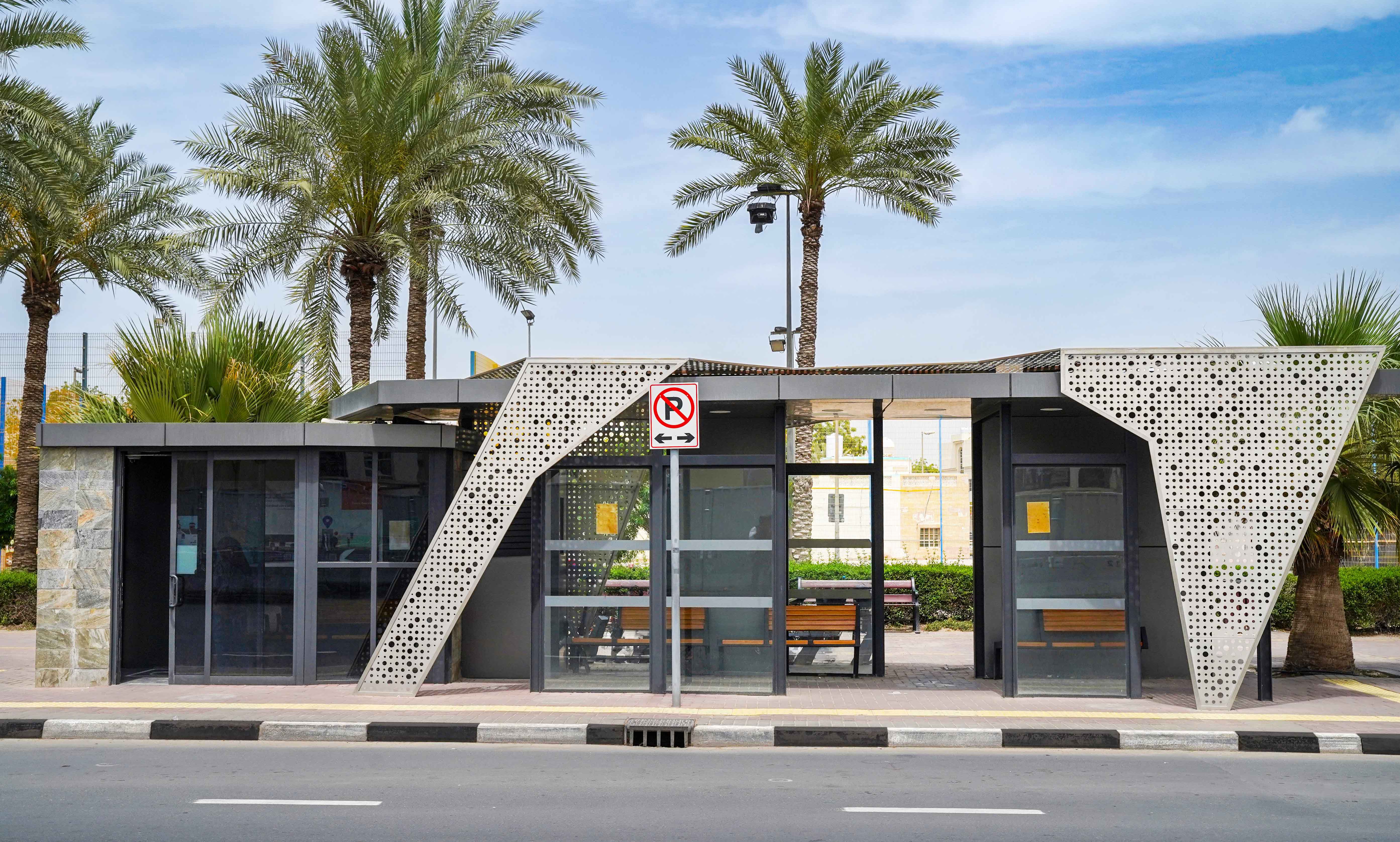
Dubai’s Roads and Transport Authority (RTA) has completed a project involving the installation of 726 modern bus shelters for public transport riders, distributed across key areas of the emirate. The project underscores RTA’s commitment to developing an integrated public transport system based on service quality and efficiency, while supporting Dubai’s direction to establish public transport as the preferred mode of mobility. The new shelters serve more than 192 million riders annually. Some shelters are linked to more than 10 bus routes, enhancing network flexibility and raising operational efficiency.
His Excellency Mattar Al Tayer, Director General, Chairman of the Board of Executive Directors of the Roads and Transport Authority, stated that the project marks a strategic step in strengthening infrastructure that supports the public transport system. He noted that it reflects RTA’s direction towards building an integrated, people-centric urban environment that enhances quality of life and reinforces Dubai’s position as one of the world’s best cities to live in.
He added that the development of mobility infrastructure extends beyond operational aspects to include enhancing the user journey and increasing the attractiveness of public transport, thereby supporting sustainability targets and reducing carbon emissions.
Al Tayer further stated: “We ensured that the new shelters combine modern, attractive design with integrated services that enhance the mobility experience, strengthen public confidence in the public transport system, and support sustainability objectives, including reducing emissions. The shelters serve a large number of bus routes — sometimes over ten routes per shelter — which improves network efficiency, cuts travel time, and boosts public transport ridership."
Meeting the Needs of Bus Users
Al Tayer noted that the locations of the new bus shelters were selected to meet the requirements of high-density areas and the current and future operational needs of public bus services. The locations also support integration with individual mobility modes.
Seven Models
Bus shelters have been categorised into seven models based on usage levels. These include Main Stop (serving more than 750 riders per day); Secondary Stop (accommodating between 250 and 750 riders per day); Standard Stop (serving between 100 and 250 riders per day); and Pick-up and Drop-off Stop (serving fewer than 100 riders per day).
In addition, part of the shelter space at main stops has been designated as air-conditioned, alongside shaded outdoor areas and advertising spaces. The shelters are also equipped with information displays providing bus network maps, timetables, service frequency, and other riders information and services.
Dubai Universal Design Code
The design of the new shelters complies with the Dubai Universal Design Code for People of Determination, with dedicated spaces allocated for wheelchair users. This supports the “My Community… A City for Everyone” initiative, which aims to transform Dubai into a fully inclusive and accessible city for People of Determination.
More on these topics
Most Recent News

Dubai Municipality completes Phase 1 Al Quoz sewer project (AED250M)

Dubai Chambers discusses expanding Dubai-China economic ties during meeting with CCPIT Shanghai



 For an optimal experience please