


Dubai’s rental sector records strong growth in 2025
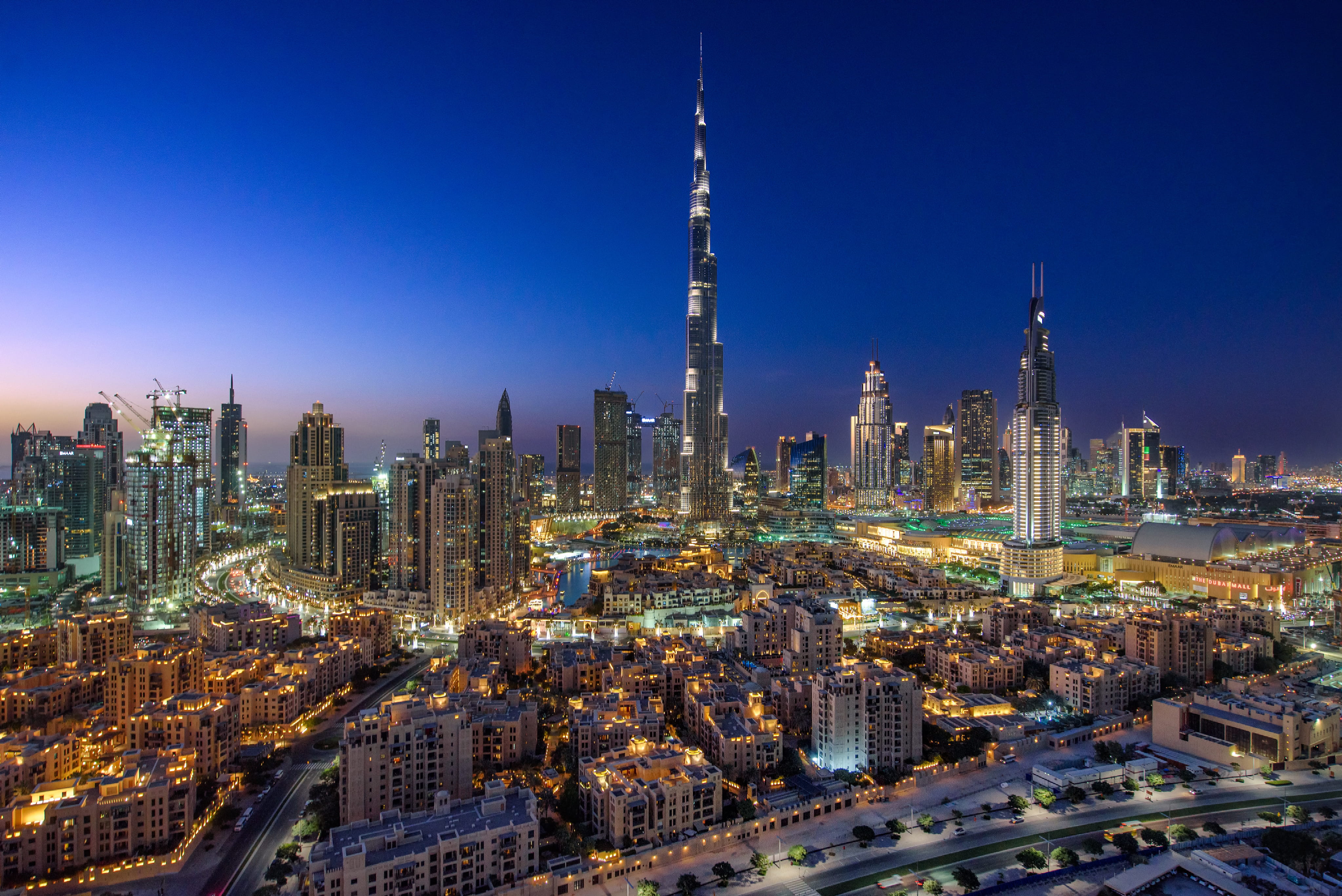
- Dubai’s rental sector records strong growth in 2025, underscoring market stability and the strength of the emirate’s real estate ecosystem
Dubai’s rental sector recorded strong performance throughout 2025, reflecting the stability of the real estate market and a higher level of operational maturity. This performance was driven by increased demand, a diversified range of residential options, and clarity in the regulatory frameworks governing relationships among all stakeholders.
According to data issued by Dubai Land Department, registered tenancy contracts recorded a 6% increase in volume and a 17% increase in value compared to 2024, reaching 1.38 million contracts with a total value of AED126.4 billion, an indicator of the market’s vitality and the continued momentum of residential and commercial activity.
The number of new tenancy contracts rose to more than 513,000, a 10% increase, reflecting Dubai’s strong appeal as a destination to live and work. In parallel, renewed tenancy contracts increased by 3% to more than 514,000, clearly indicating higher levels of stability and customer satisfaction.
This balanced rental performance is clearly aligned with the objectives of the Dubai Economic Agenda D33, which focuses on enhancing quality of life and reinforcing Dubai’s position as a global destination to live, work, and invest, alongside the Dubai Real Estate Sector Strategy 2033, which aims to establish a sustainable market based on a balance between ownership and renting, clear regulatory frameworks, and an enhanced customer experience.
The stability of the rental sector reflects its pivotal role as a natural gateway to homeownership and a fundamental pillar in supporting social and economic stability, while contributing to the development of a resilient real estate ecosystem capable of sustaining Dubai’s long-term growth.
Efficiency of Execution and Continuity of Real Estate Activity
On another front, 2025 witnessed notable progress in the pace of real estate project completion, with the number of completed projects rising to 124, marking a 7% increase and a total value of AED27.5 billion, reflecting a 23% increase. This performance underscores the efficiency of execution and the continuity of development activity.
In addition, the number of projects under construction increased by 25%, to 937, serving as a clear indicator of developers’ confidence and the sustainability of future momentum in the real estate sector.
The number of sold units increased by 25% to 147.5 thousand units, with a total value of AED280 billion, reflecting a 30% increase in value. Meanwhile, the value of sold villas increased by 12% despite a decline in volume, indicating a shift in purchasing preferences toward higher-value real estate products.
At the regulatory level, the real estate market witnessed unprecedented expansion in licensing, with 4,122 real estate offices registered, a 102% increase, bringing the total number of active real estate offices in Dubai to 10,182. This reflects the expansion of the business base and the increasing demand for brokerage, property management, development, and consultancy services within a well-regulated ecosystem governed by clear standards.
A Broad Spectrum of Real Estate Activities and Services
In 2025, a total of 14,364 real estate licences were issued across a wide range of activities. These were led by real estate sales and purchase brokerage, with 6,009 licences, followed by real estate leasing brokerage with 3,513 licences. This was accompanied by 2,126 licences for transaction follow-up services, 714 licences for buying and selling land and properties, and 525 licences for real estate development.
The remaining licences covered a diverse set of activities, including property administrative supervision, mortgage brokerage, private property leasing and management, real estate consultancy, and other related services. This diversity underscores the role of real estate licensing as a core regulatory tool that supports market efficiency, enhances transparency, and fosters a flexible business environment that sustains the long-term growth of Dubai’s real estate sector.
This integrated performance in the rental sector, together with the pace of project completion and the expansion of the real estate licensing ecosystem, reflects an advanced stage of institutional maturity reached by Dubai’s real estate market and its ability to sustain growth within an environment characterised by clarity, efficiency, and sustainability.
These indicators reaffirm the commitment of Dubai Land Department to continuously develop regulatory frameworks, enhance service efficiency, and support all stakeholders across the real estate ecosystem, strengthening the confidence of customers and investors alike and positioning the sector to achieve greater balance and stability in the years ahead.
More on these topics
Most Recent News

DIFC’s Dubai FinTech Summit expands globally with Pakistan Digital Authority

Dubai Ports Authority Joins the International Association of Ports and Harbors (IAPH)



 For an optimal experience please
