

MBR Library opens third edition of Dubai International Library and Publishing Summit
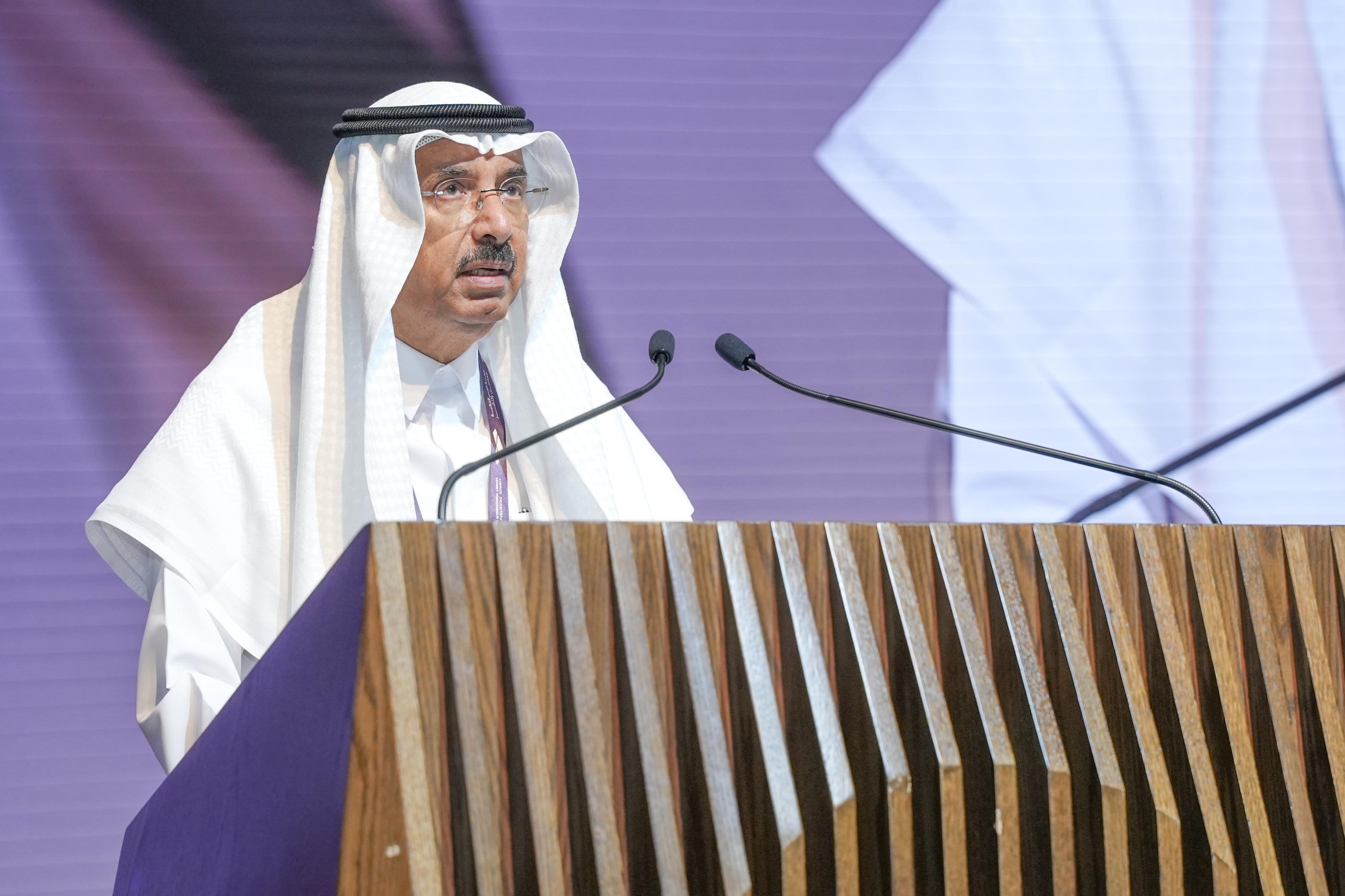
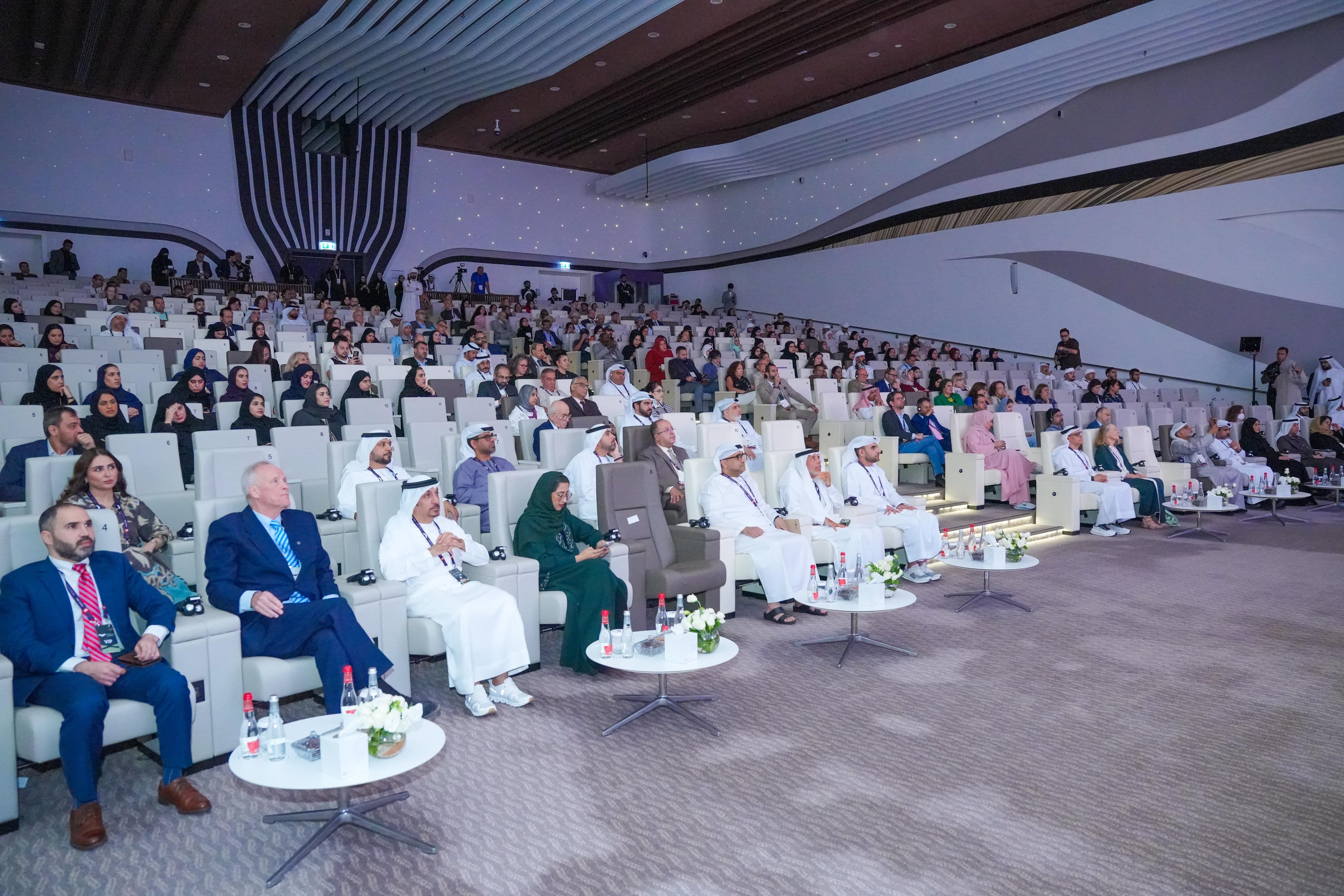
The third edition of the Dubai International Library and Publishing Summit 2026 opened today at Mohammed Bin Rashid Library. Organised by the Library over two days, 16 and 17 November, under the theme The Architecture of Trust: AI and the Future of Knowledge Institutions, the summit brings together more than 50 speakers and moderators representing over 50 local and international entities. Its programme features more than 25 sessions and discussions exploring the future of knowledge and the responsibilities of cultural institutions in the age of artificial intelligence.
The summit was inaugurated by H.E. Mohammed Ahmed Al Murr, Chairman of the Mohammed Bin Rashid Al Maktoum Library Foundation, who delivered a keynote address highlighting the importance of building trust in knowledge and strengthening institutions’ responsibility to document their sources and safeguard the rights of content owners. He also emphasised the need to ensure human oversight in the use of smart technologies, and strengthen the presence of the Arabic language and cultural knowledge in the digital environment.
Al Murr said: “By the architecture of trust, we mean embedding this responsibility at the heart of designing the systems that produce and make knowledge accessible, while ensuring that the public knows who is accountable for the information presented to them.”
Al Murr also called for greater international cooperation between knowledge institutions and technology developers to build a more reliable and sustainable knowledge ecosystem.
The opening featured a recognition ceremony honouring the summit’s partners and sponsors for their contributions to supporting and ensuring its success. These included Emirates NBD as Platinum Sponsor; Clarivate as Silver Sponsor; Emirates as Official Airline Partner; Naseej as Technology Partner; and Dubai Department of Economy and Tourism as Destination Partner.
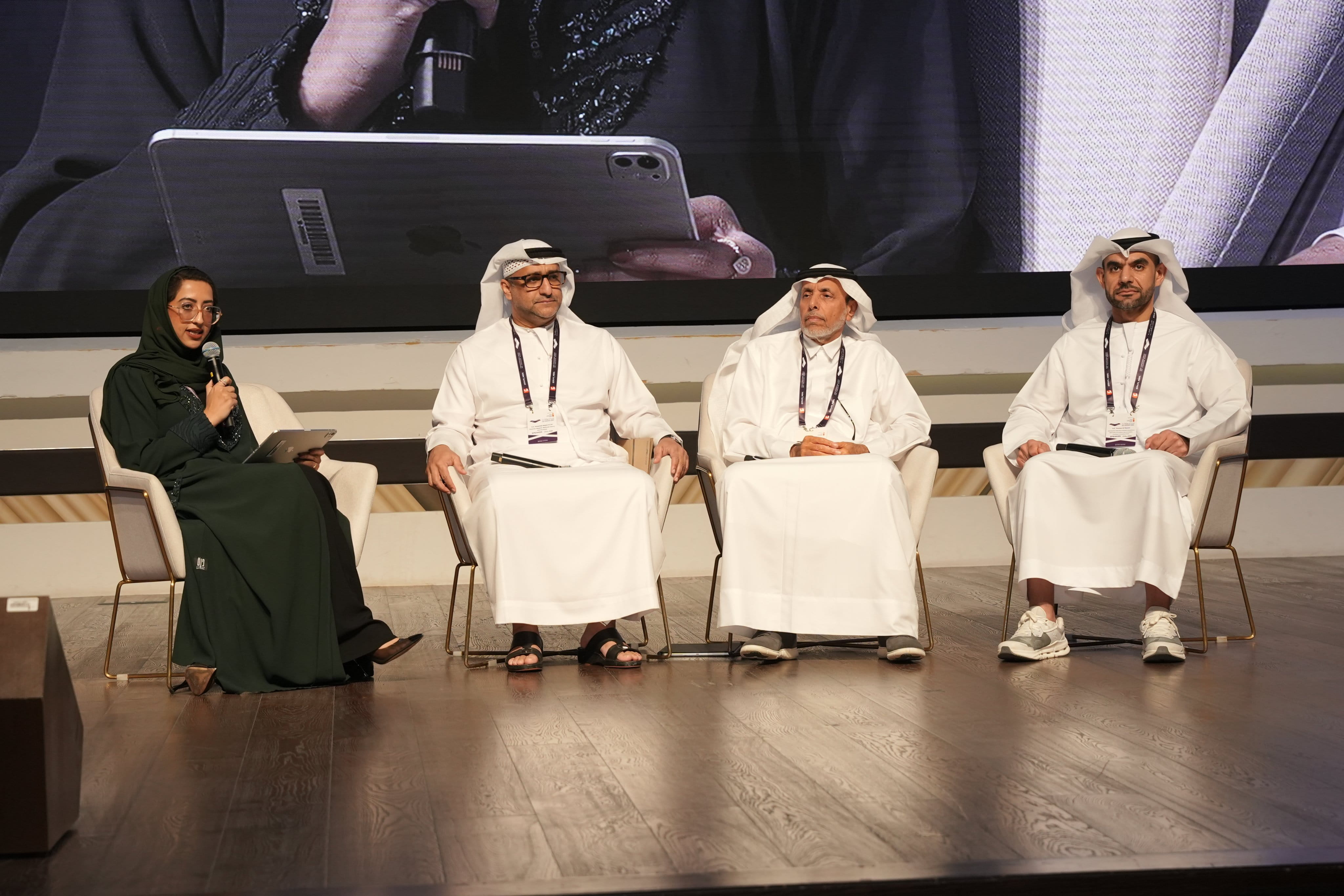
The first day kicked off with a session titled AI and the Responsibilities of Knowledge Institutions, featuring H.E. Dr Mohammed Salem AlMazrooei, Board Member at Mohammed Bin Rashid Al Maktoum Library Foundation; H.E. Younus Al Nasser of Dubai Data and Statistics Establishment; and H.E. Abdullah Majed Al Ali of the National Library and Archives. The session was moderated by Shatha Amin Al Mulla from the Ministry of Culture.
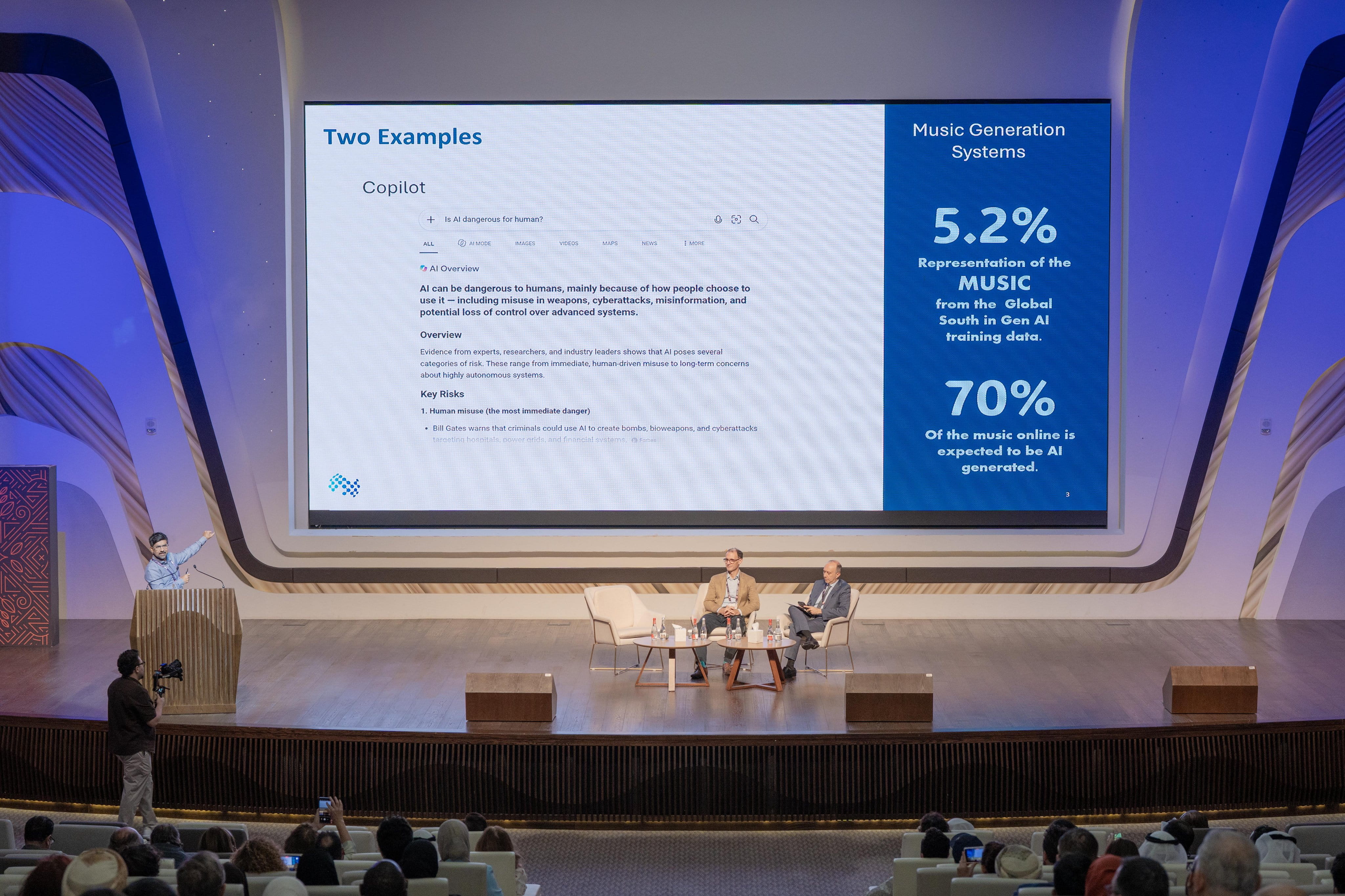
This was followed by AI and the Changing Architecture of Knowledge, featuring Professor Stephen Cave from the University of Cambridge and Dr Monojit Choudhury from Mohamed bin Zayed University of Artificial Intelligence, and moderated by Dr Fadi Salem from the Mohammed Bin Rashid School of Government. The discussion explored how AI is transforming the production, organisation, circulation, and evaluation of knowledge.
The programme also featured a practical demonstration titled Falcon in Practice: Emirati Arabic AI Across Language, Speech and Documents, delivered by a team from the Technology Innovation Institute comprising Dr Hakim Hacid, Dr Ludovick Lepauloux, Dr Basma El Amel Boussaha and Abdul Muneer. The presentation showcased applications of Falcon models in processing Emirati Arabic and working with linguistic content and documents.
Under the theme of knowledge preservation, the session When Knowledge Disappears: Preserving Arab and Islamic Cultural Memory brought together Sheikh Sultan Sooud Al Qassemi, Dr Walid Ghali, and Stéphane Ipert, and was moderated by Lesley Grey. Another session, What Do We Choose to Keep?, featuring Dr Nada Shabout and Dr Khawla El Akkili, and moderated by Dr Hala Khayat, examined the responsibilities of cultural institutions in preserving collections and safeguarding knowledge and collective memory for future generations.
Exploring the theme of trust in knowledge, the summit hosted What Survives Translation? Literature, AI and Cultural Mediation, featuring Ian Giles, Michael Cooperson, and Yara El Masri, and moderated by Dr Sahar Othmani. The session examined the impact of AI on translation and the exchange of literature and knowledge across languages and cultures.
Furthermore, the session Who is Telling Our Children's Stories?, featuring Taghreed Najjar, Mona Henning Zureikat and Dalia Toonsi, and moderated by Dr Siham Harb, explored the role of authors, publishers, and knowledge institutions in shaping content for children. The programme also included Storytelling, Animation and Machine Imagination, featuring Fadel Al Mheiri, Ahmed Hamouda, and Basma Hossam, and moderated by Hiba Farhat. The discussion examined the impact of AI on storytelling, creative production, and animation.
As part of the summit's focus on the responsible use of intelligent technologies, the session What Does It Take to Develop, Deploy and Sustain AI Responsibly? brought together Iyad Ahmad and Dr Fadi Salem, and was moderated by Mikey Muhanna. The discussion explored the institutional challenges and considerations involved in developing and implementing AI responsibly.
The first day's programme also featured a talk titled The Stories We Tell About AI, delivered by Professor Stephen Cave from the University of Cambridge. The talk explored how narratives and cultural perceptions shape societies' understanding of AI and their expectations for its future.
The first day also witnessed the announcement of the launch of the 11th edition of the Mohammed bin Rashid Arabic Language Award, as part of the activities hosted within the summit's programme.
The day's activities continued into the evening with a talk titled Can We Trust AI to Tell History?, delivered by Dr Joshua Sternfeld. The evening talk examined the impact of intelligent technologies on the interpretation and narration of historical events, as well as the challenges surrounding the reliability of historical accounts and sources.
The summit will continue tomorrow, Tuesday, bringing together leading experts and specialists in libraries, publishing, scientific research, and technology to explore the future of the Arabic language and cultural representation in intelligent machines, trust in knowledge, digital preservation, and the development of the knowledge ecosystem in the digital age.
More on these topics
Most Recent News

Dubai Films and Games Commission highlights gaming's potential to inspire climate action at COP31

Dubai Future Week 2026 set to begin on 18 November



 For an optimal experience please